
Elevator Guide Rails: The Foundation of Safe, Comfortable and Stable Vertical Movement
Elevator Guide Rails: The Foundation of Safe, Comfortable and Stable Vertical Movement
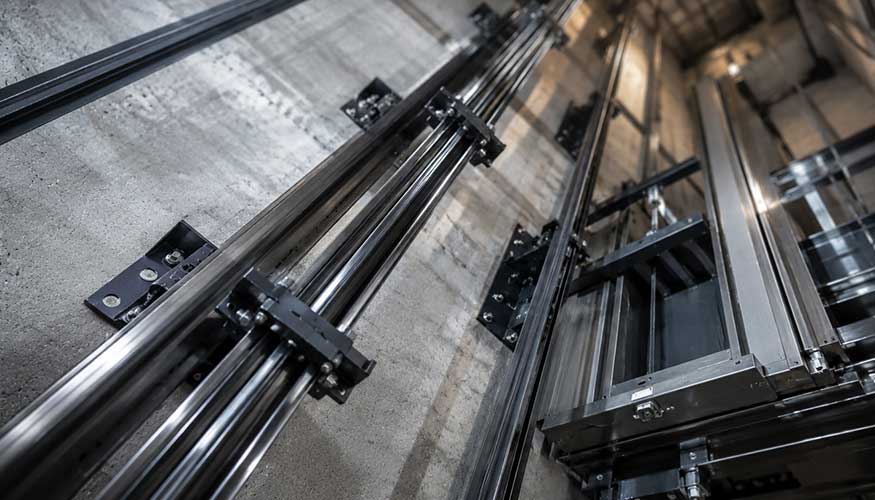
Modern elevator systems are expected to provide much more than vertical transportation. Safety, ride comfort, low vibration, stable car movement and long-term operational reliability are essential performance requirements. Elevator guide rails installed vertically inside the shaft are among the fundamental components supporting these objectives.
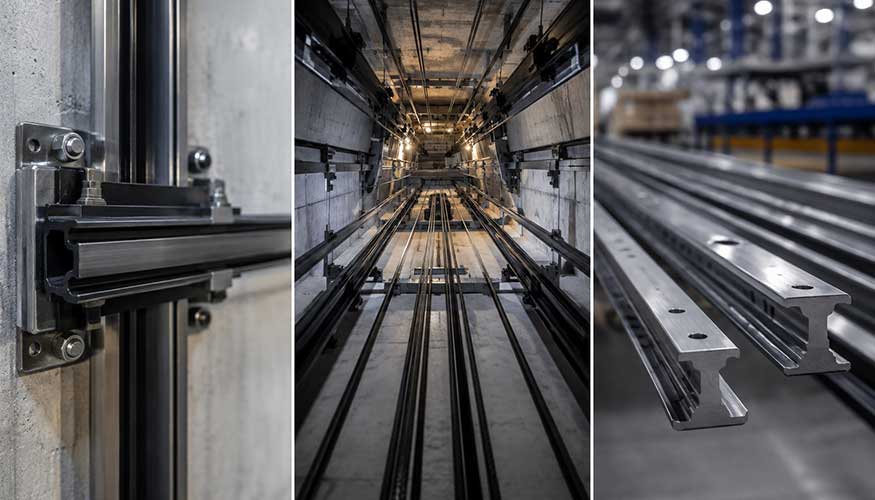
Guide rails provide a defined path for the elevator car and counterweight throughout the shaft. Their geometry, straightness, surface characteristics and manufacturing accuracy can directly influence the behaviour of the complete guidance system. For this reason, an elevator guide rail should not be regarded simply as a steel profile but as an important component contributing to movement quality and operational safety.
Çelikray manufactures elevator guide rails with a production approach focused on quality, precision and reliability, providing solutions for the requirements of different elevator projects.
What Is the Function of an Elevator Guide Rail?
As the elevator car moves vertically through the shaft, it must remain within a precisely defined path. Guide shoes or roller guides mounted on the car interact with the guide rail surfaces and help control unwanted lateral movement.
The counterweight operates in a similar manner using its own guide rails. This allows both the car and counterweight to maintain their intended paths throughout vertical travel.
Guide rails also have an important relationship with elevator safety systems. Under specific emergency conditions, the safety gear can interact directly with the rail surface. Material properties, geometry, surface quality and installation accuracy are therefore important aspects of elevator guide rail performance.
T-Type Elevator Guide Rails
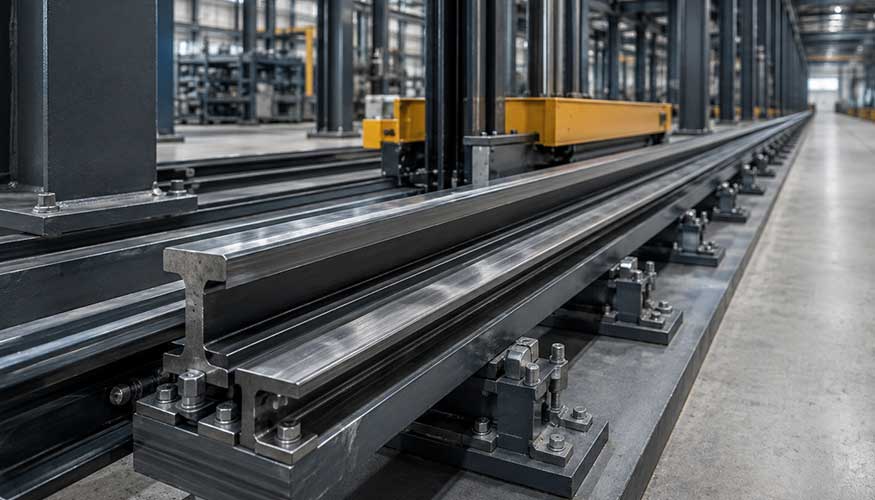
T-type guide rails are widely used throughout the elevator industry. Their T-shaped cross-section provides suitable guiding surfaces for elevator car and counterweight systems.
The appropriate rail dimensions and characteristics can vary from one project to another. Elevator capacity, rated speed, travel distance, building height, car configuration and operating intensity are among the factors that should be considered during rail selection.
Using the same profile for every elevator application is therefore not appropriate. The rail should be selected according to the technical requirements of the complete elevator system.
How Does Rail Precision Affect Ride Comfort?
Vibration or irregular movement experienced during elevator travel can have several causes. Guide rail geometry, joint quality and alignment are among the factors capable of influencing ride characteristics.
A correctly formed rail line, precise joints between individual rail sections and accurate shaft alignment contribute to stable operation of the guidance system.
Manufacturing and installation precision become particularly important as elevator operating speed increases. Even relatively small deviations may affect the movement characteristics of the car over a long travel distance.
How Should an Elevator Guide Rail Be Selected?
Guide rail selection should not be based solely on profile dimensions. Elevator load capacity, rated speed, travel height, car and counterweight configuration, guide system and overall project requirements should be evaluated together.
Mechanical characteristics, dimensional accuracy, straightness, surface finish and precision of the connection areas are also important. Incorrect selection or application may contribute to vibration, noise, irregular guide component wear and increased maintenance requirements.
The guide rail should therefore always be considered as part of the complete elevator system.
Why Does Manufacturing Quality Matter?
Manufacturing quality in elevator guide rails involves much more than external appearance. Profile consistency, dimensional tolerances, straightness, surface properties and precise joint areas are important factors affecting product performance.
Since multiple rail sections are connected together to create a continuous guide path throughout the shaft, the manufacturing accuracy of every individual section can influence the performance of the complete rail line.
A production approach based on relevant standards and technical requirements contributes to compatibility between rail sections, accurate installation and reliable long-term performance.
Elevator Guide Rail Solutions from Çelikray
Çelikray aims to provide reliable elevator guide rail solutions through a manufacturing approach focused specifically on the requirements of the elevator industry. Quality, dimensional precision and consistent performance are key considerations throughout production.
From residential buildings and commercial developments to elevator systems with different capacities and operating requirements, selecting an appropriate guide rail is an important part of system design.
For Çelikray, an elevator guide rail is more than a steel profile. It is a fundamental elevator component contributing to accurate car guidance, ride comfort, system stability and safe elevator operation.